
Summer in Zanzibar: What It's Really Like and Why It's Worth It
Most people assume summer is the wrong time to visit Zanzibar. They picture tropical heat, unpredictable weather, and beaches that are better enjoyed at other times of year.
The reality is quite the opposite.
From June onwards, Zanzibar settles into its most enjoyable season. The air feels lighter, the skies seem endless, and the steady trade winds bring a welcome freshness to the coast. Days unfold slowly between swims in the turquoise lagoon, barefoot walks along the shoreline, and long afternoons in the shade of the palms. By evening, the pace slows even further, giving way to rooftop dinners, sunset walks, and lingering conversations long after darkness falls.
For many travellers, June through October is not just a good time to visit Zanzibar — it's the best time to experience the island at its most comfortable, beautiful, and effortlessly relaxed

What Does Summer Mean in Zanzibar?
Because Zanzibar sits just south of the equator, its seasons don't follow the same pattern as Europe, North America, or the Middle East.
When much of the Northern Hemisphere is in summer, Zanzibar is entering its long dry season. From June through September, temperatures typically range between 24°C and 28°C, humidity levels drop, and rainfall becomes rare.
The result is a climate that feels remarkably balanced. Warm enough for long days on the beach, comfortable enough for exploring Stone Town, and cool enough in the evenings to enjoy outdoor dining without retreating indoors.
It's one of the reasons this period is widely considered the best time to visit Zanzibar.
Zanzibar Weather by Month: June to October
Zanzibar Weather by Month: June to October
Zanzibar in June
June marks the beginning of the dry season. The island feels refreshed after the long rains, vegetation is lush, and visitor numbers remain relatively low. It's an ideal month for travellers who prefer quieter beaches and a slower pace.
The trade winds begin to strengthen along the east coast, creating excellent conditions for kitesurfing around Paje.
Zanzibar in July
July brings some of the most reliable weather of the year. Clear skies, warm days, and cooler evenings make it one of the most comfortable months to explore the island.
Whether you're spending the day on the beach or wandering through the narrow streets of Stone Town, July offers near-perfect conditions.
Zanzibar in August
August continues the dry-season rhythm. The weather remains consistent, the ocean is inviting, and the island feels lively without ever feeling crowded.
It's also one of the most popular months for international travellers, so accommodation tends to book up well in advance.
Zanzibar in September
September is often considered something of a hidden gem. The weather remains excellent, the winds begin to soften, and visitor numbers start to ease slightly.
Many travellers find it offers the best balance between ideal weather and a more relaxed atmosphere.
Zanzibar in October
October remains warm and enjoyable, particularly in the first half of the month. Towards the end of October, the short rains may begin to appear, although showers are usually brief and rarely disruptive.
If you're planning a summer trip, early October can still be an excellent choice.
What to Do in Zanzibar During Summer
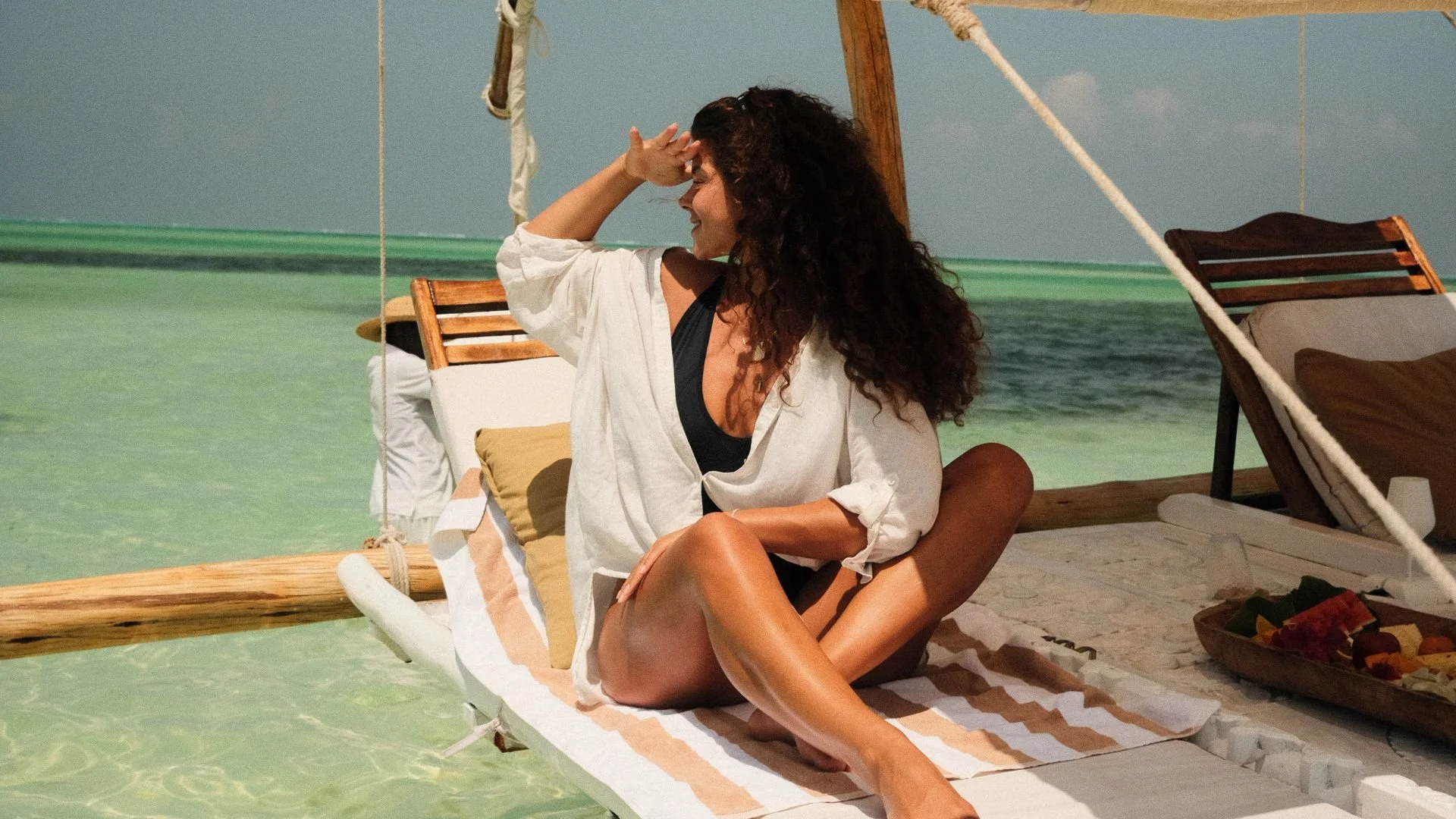
One of the greatest pleasures of Zanzibar is that it rewards a slower approach to travel.
The island isn't about rushing between attractions. It's about allowing enough time to experience the rhythm of the tides, the pace of village life, and the feeling of having nowhere urgent to be.
Experiences on Paje Beach
On the east coast, Paje Beach offers one of Zanzibar's most distinctive landscapes.
At low tide, the lagoon retreats so far that the coastline seems to stretch endlessly towards the horizon. Seaweed farmers tend their plots, local fishermen move across the sandbanks, and visitors wander through shallow turquoise water that feels almost impossibly warm.
A few hours later, the tide returns and transforms the entire scene.
It's this constantly changing relationship between land and sea that makes Paje one of the most memorable beaches in Zanzibar.
Try Kitesurfing
Paje has become one of East Africa's most respected kitesurfing destinations.
Between June and September, the trade winds create ideal conditions for both beginners and experienced riders. Even if you've never tried the sport before, local schools offer lessons that make it surprisingly accessible.
Watching dozens of colourful kites move across the lagoon at sunset has become one of the defining sights of the season.
Explore Stone Town
No visit to Zanzibar feels complete without spending time in Stone Town.
The island's historic capital is a fascinating blend of Swahili, Arab, Indian, and European influences. Behind carved wooden doors and coral stone buildings lies a rich history that earned the city UNESCO World Heritage status.
Give yourself at least half a day, though a full day allows time to explore its markets, cafés, and waterfront properly.
Visit Jozani Forest
Jozani Forest offers a completely different side of Zanzibar.
Home to the rare red colobus monkey, the island's only national park provides a glimpse into the ecosystems that once covered much of the archipelago. Walking beneath the forest canopy feels worlds away from the beach.
Snorkel or Dive at Mnemba Atoll
For many visitors, a trip to Mnemba Atoll is the highlight of their stay.
Located off Zanzibar's northeast coast, the protected marine area is known for its coral reefs, crystal-clear water, and abundant marine life. Dolphins, sea turtles, and vibrant reef fish are regularly spotted throughout the year.
The Best Zanzibar Beaches

Paje Beach
Paje strikes a rare balance between beauty and authenticity. The beach is long, open, and remarkably peaceful. There are no jet skis cutting across the lagoon and no oversized resorts dominating the shoreline. Instead, you'll find a laid-back community shaped by the tides, the wind, and the sea. For travellers seeking a wellness-focused escape, a kitesurfing adventure, or simply a slower way of experiencing Zanzibar, Paje remains one of the island's most rewarding destinations.
Nungwi
Located at the northern tip of Zanzibar, Nungwi offers a more social atmosphere with a larger concentration of restaurants, bars, and nightlife.
Unlike much of the east coast, swimming is possible throughout the day regardless of the tide.
Kendwa
Just south of Nungwi, Kendwa combines beautiful beaches with a more relaxed atmosphere. Its famous full moon celebrations have become a popular fixture for visitors looking for evening entertainment.
Matemwe
For travellers seeking peace and privacy, Matemwe remains one of Zanzibar's quieter stretches of coastline. Its slower pace and proximity to Mnemba Atoll make it particularly appealing for couples and divers.
Why Zanzibar Is Becoming a Wellness Destination

In recent years, Zanzibar has quietly established itself as one of East Africa's most appealing wellness destinations. Not because it's filled with large wellness resorts, but because the island naturally encourages a different pace of life.
Mornings begin with beach walks and yoga sessions overlooking the ocean. Afternoons are spent swimming, reading, or finding shade beneath the palms. Evenings revolve around good food, fresh air, and uninterrupted time outdoors.
For travellers seeking restoration rather than constant activity, the east coast offers an especially appealing balance of movement and stillness.
Where to Eat in Zanzibar
One of the pleasures of visiting Zanzibar during the dry season is how much life happens outdoors.
As the afternoon heat fades, rooftops begin to fill with people gathering for sunset, while beachside restaurants light lanterns and prepare freshly caught seafood for dinner.
In Stone Town, rooftop dining remains one of the most memorable ways to spend an evening. Watching traditional dhow boats drift across the harbour as the call to prayer echoes through the city is a uniquely Zanzibar experience.
In Paje, the atmosphere is more relaxed. Dining tends to be slower, more intimate, and closely connected to the rhythm of the village. Fresh seafood, Swahili-inspired dishes, tropical fruit, and locally grown spices feature heavily on most menus.
For visitors staying on the east coast, the rooftop restaurant at Samawa Living offers a particularly enjoyable setting for dinner, with views across Paje and a menu that reflects both local flavours and international influences.
A Different Kind of Summer
The best trips to Zanzibar are rarely the busiest ones.
Summer on the island isn't about ticking attractions off a list. It's about watching the tide reshape the coastline twice a day, lingering over dinner as the evening breeze arrives, and gradually adjusting to a slower rhythm without even realising it.
If you're deciding when to visit, June through September remains the sweet spot. And if you're choosing where to stay, the east coast offers the version of Zanzibar many travellers hope to find: laid-back, beautiful, and connected to everyday island life.
It's the Zanzibar people imagine when they book the flight — and the one they remember long after they've returned home.